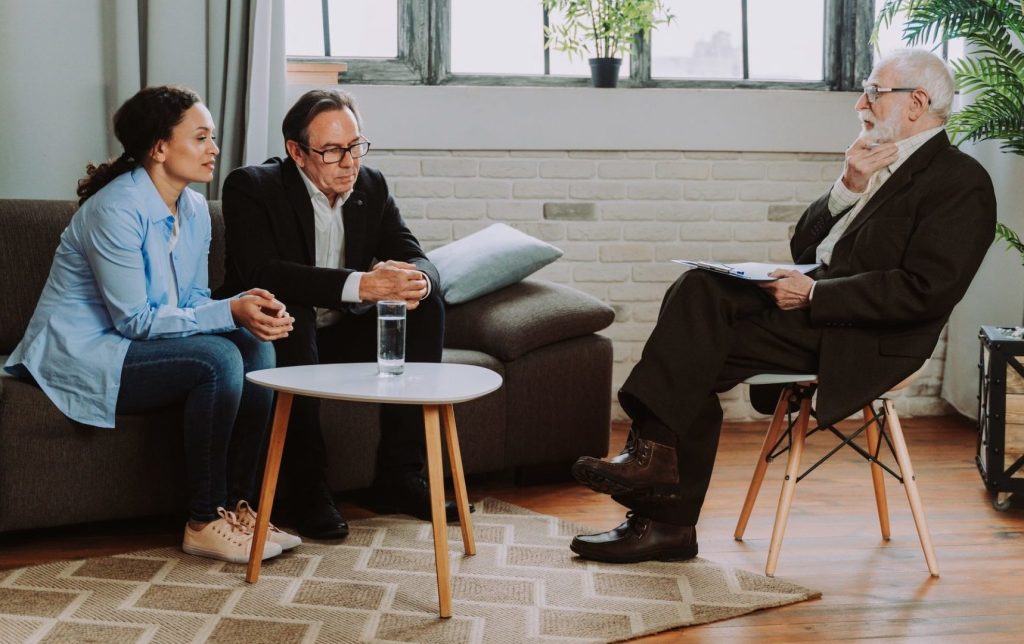
The Benefits of Marriage Counseling in Irvine
Love isn’t just a feeling—it’s a choice, a practice, and often a journey. Over time, even the strongest marriages can face challenges: miscommunication, life transitions, unmet expectations, trust breaches, or simply the drift that happens when busy lives take over. For couples in Irvine and beyond, professional marriage counseling offers a powerful tool: a place to step out of the swirl of daily arguments and distractions, to reflect, reconnect, and rebuild together.
Why marriage counseling matters, the specific benefits couples in the Irvine-area can gain, how the process works, and how to get the most out of it. Whether you’re proactive and relationship-strong, or you’re feeling stuck and unsure, this post is designed to help you—together—navigate the path ahead.
Why Seek Marriage Counseling?
1. Professional Facilitation of Communication
One of the most frequent issues couples face is not what they say, but how they say it—and whether the other person truly hears. In a safe setting, a trained therapist helps you break habitual cycles: blame, withdrawal, escalation, avoidance. You learn to express needs and feelings clearly, listen deeply, and rebuild communication patterns that support trust and connection.
Rather than each partner navigating their own frustration alone, counseling offers a third-party guide to help both of you.
2. Secure Space to Explore Deeper Emotions
Many problems in a marriage are less about the surface argument and more about the hidden fear, hurt, or unmet need behind it. Couples counseling provides a safe space—structured, supported—for both partners to open up, reveal vulnerabilities, and be seen.
This kind of emotional work often leads to renewed intimacy, not just between the partners, but within the individuals themselves.
3. Skills for Conflict Resolution and Change
Conflict isn’t inherently bad—how you handle it makes the difference. Therapy equips couples with tools: identifying triggers, stepping out of unhelpful patterns, deciding how you’ll fight and how you’ll repair. Studies show that couples who improve their communication and problem-solving skills through therapy tend to have better outcomes.
In the context of Irvine’s fast-paced life—careers, children, commuting, social commitments—having strategies in place is especially helpful.
4. Re-building or Strengthening Intimacy & Trust
Whether you’re recovering from a breach of trust, feeling disconnected, or simply busy and drifting apart, counseling offers a path forward. Many couples describe a “re-connection” phase once they begin working with a therapist: renewed physical and emotional closeness, more openness, more mutual understanding.
In a place like Irvine—where success, activity, and external pressures can pull partners in different directions—this reconnection is vital.
5. Navigating Life Transitions Together
Marriage is not static—it evolves. Things like moving, a career shift, parenthood, illness, or loss can tilt the balance. Counseling gives couples tools to face transitions as a team. Life in Irvine, with its unique mix of mobility, lifestyle choices, and stressors, makes this relevant. Therapy helps partners adapt together rather than drift apart.
In short: counseling is not just for “when things are bad”—it’s for when things could be better, when you want to prepare for what’s next.
What Marriage Counseling Looks Like in Practice
Initial Phase: Assessment & Safe Start
- A licensed therapist (often LMFT in California) meets you both and asks about your history, patterns, strengths, and challenges.
- You are encouraged to talk not only about what’s wrong, but also what works—what draws you together, what you enjoy.
- The therapist maps out interaction patterns: how you respond to each other, how conflict arises, how avoidance shows up.
- In the Irvine setting, couples often appreciate a counselor who understands local lifestyle dynamics (work hours, commuting, family expectations) and who can make sessions relatable to your everyday life.
Middle Phase: Skills, Insight, Practice
- Communication tools: Learning how to speak and listen differently—“I” statements, mirroring what you heard, checking in.
- Emotional exploration: Identifying triggers, past wounds, unmet needs; building empathy for your partner’s experience.
- Conflict navigation: Recognizing when you’re in a negative cycle, taking breaks, returning to repair.
- Homework & practice: Many therapists give tasks between sessions—set-up a weekly “check-in”, practice a communication exercise, schedule meaningful time together.
- Intimacy work: If needed, talking about closeness, trust, physical connection in a respectful, guided way.
- Life planning: Looking ahead—shared goals, values, how you want your partnership to evolve. For couples in Irvine, this might include managing busy schedules, combining professional growth with relationship life, or planning family/time balance.
Ending Phase: Consolidation & Prevention
- Review what’s changed, what habits you’ve built, what challenges you still want to watch.
- The therapist helps you maintain gains: how you’ll use your new skills going forward, how you’ll monitor relapse into old patterns.
- Some couples schedule periodic “maintenance” sessions—maybe quarterly check-ins to stay on track.
Why Irvine Couples Might Especially Benefit
1. Unique Local Stressors
Irvine is dynamic, with busy professionals, families on the move, and a high-pressure environment. Commuting, dual-career households, frequent social events—these create unique relationship pressures. Couples counseling offers a tailored way to manage the “Irvine pace” together.
2. Privacy in a Suburban Setting
Unlike in dense urban centers, Irvine couples often appreciate a discreet, professional setting for counseling. Sessions can be scheduled to avoid traffic times; many practices offer flexible hours.
3. Emphasis on Preventive and Holistic Wellness
The wellness culture in the area supports proactive relationship care. Rather than only seeking help in crisis, couples may choose counseling to deepen connection, enhance communication, and keep their relationship strong. That’s a powerful shift.
4. Access to Licensed Professionals
The Southern California region has a good supply of licensed marriage and family therapists (LMFTs) who understand the culture and community. For couples looking for a culturally-competent therapist, who can work with diversity, families, immigrant-backgrounds, etc.—Irvine offers options.
Real-Life Benefits of Marriage Counseling
Let’s look at specific, concrete benefits couples often report—backed by research and therapy experience.
Enhanced Communication
Couples counseling teaches active listening, clear expression, and relational empathy. Rather than repeating the same arguments, partners learn to pause, reflect, and respond differently.
In practice: Instead of “You never support me,” you might learn “When you focus on your phone during dinner, I feel unseen—what I’d like is five minutes of uninterrupted conversation.”
Deeper Emotional and Physical Intimacy
Through therapy, couples start reconnecting emotionally—sharing fears, hopes, and vulnerabilities—and that leads to more physical closeness too.
For example: A couple might schedule weekly check-ins where they share one thing they appreciated in the other that week.
Better Conflict Resolution
Counseling shifts conflict from “attack or withdraw” into “recognize, pause, repair.” Couples learn tools to stop escalation and rebuild trust after disagreement.
In the session, a therapist might guide each partner to talk about what they felt before the argument escalated, and what they each needed.
Trust Restoration & Resilience
If trust has been broken—infidelity, emotional betrayal, or major disappointment—counseling supports rebuilding it. A safe space for transparency, accountability, forgiveness and rebuilding.
In practice this might mean structured disclosures, agreed-upon boundaries, and step-by-step rebuilding.
Increased Self-Awareness & Growth
Marriage counseling isn’t only about them—it’s about you too. Partners often gain insight into their own emotional history, triggers, and patterns of relating.
This self-awareness helps reduce unintended harmful patterns (“I snap like this when I feel unheard”) and promotes individual growth within the partnership.
Preventive Care & Long-Term Wellness
Rather than waiting until the relationship is crumbling, couples who choose counseling preemptively create resilience. They build habits of connection, communication and repair so they’re prepared for the next phase of life—be it parenthood, career shift, or health change.
In practical terms: A couple in Irvine might decide to schedule six sessions early in their marriage to establish strong habits—rather than waiting until trouble hits.
How to Get the Most Out of Counseling
Here are some key tips for maximizing the benefit of marriage counseling.
1. Choose the Right Therapist
- Look for an LMFT or licensed psychologist experienced in couples work.
- Ensure they are comfortable working with your culture, values and goals.
- Ask about their approach: communication-based, attachment-based, solution-focused, etc.
- Make sure you both feel safe and respected in the first session.
2. Go with Commitment—not just curiosity
Counseling works best when both partners are active participants, not just passive. Willingness to show up, to be vulnerable, to try new behaviors—even outside sessions—is essential.
If one partner is skeptical, it’s still possible to gain change—but the road may be longer.
3. Be Realistic and Patient
Change takes time. Old patterns didn’t form overnight, and they won’t disappear immediately. Be patient with the process and with each other. According to research, positive outcomes are more likely when couples persist and embed their work into daily life.
Celebrate small wins: “We got through that argument differently this time,” or “We both felt connected after dinner instead of distracted.”
4. Bring Life into the Sessions
Don’t just treat counseling like an isolated hour. What you do between sessions matters.
- Practice communication skills at home.
- Use the “homework” the therapist gives.
- Monitor how your week goes: What triggered tension? What helped you connect?
- Use the location/context: In Irvine, maybe you choose a quiet walk after a session, to unpack or reconnect.
5. Keep Focus on Growth, Not Just Fixing
Rather than treating counseling like “saving the relationship or losing it,” shift toward “How can we grow together, continuously?” Even strong couples often benefit from occasional check-ups. This mindset reduces shame and opens curiosity.
Some couples even schedule periodic “maintenance” sessions—maybe one every few months—to stay aligned.
Potential Challenges—and How to Handle Them
Marriage counseling has powerful benefits—but it’s not a guarantee. Understanding potential pitfalls helps you navigate wisely.
If One Partner Is Unwilling
Therapy is most effective when both partners are engaged. If one partner is resistant, progress may stall. The therapist may help the other partner make changes that influence the system—but full transformation often needs both.
In that case: Consider individual therapy alongside—and try to open invitation for partner involvement.
Unrealistic Expectations
Some couples expect immediate “miracle fixes.” Real work happens in small, consistent steps. If you walk in expecting “we’ll be perfect in four sessions,” you’ll likely be disappointed. Embrace the process.
Tracking subtle changes—like better listening, fewer snide remarks, more check-ins—matters.
Deep or Undisclosed Issues
If there is ongoing abuse, addiction, or one partner is completely disengaged, couples counseling may not be the most suitable first step alone. Individual therapy or other interventions may also be required.
In these cases, choosing a therapist experienced in trauma or high-conflict relationships is crucial.
Cost & Commitment
Therapy takes time, emotional effort, and financial resources. Some couples stop prematurely when it gets hard. But research shows sustained participation increases the odds of positive outcomes.
In Irvine, check for therapists who offer sliding scale, or couple packages, or select sessions focused on your most essential goals.
A Simple Counseling-Ready Plan for Irvine Couples
Here’s a mini “roadmap” you and your partner might use to get started:
- Decide together: Both commit to at least 6 sessions (e.g., once every two weeks) and to one personal “homework” each week.
- Choose a therapist: Meet two or three, pick the one you both feel comfortable with.
- Session 1: Share your story together. Therapist assesses relational patterns and listens to each partner’s perspective.
- Session 2–4: Work on communication skills, emotional sharing, identifying patterns, and set a tangible behaviour goal (e.g., “We will have a 15-minute check-in 3x/week”).
- Session 5–6: Focus on future vision: how you want the relationship to look in 6 months, what habits you’ll maintain. Address any remaining pressing issues.
- Post-therapy maintenance: Quarterly check-ins or refresher sessions. Continue weekly check-ins, and adjust as life evolves (a new job, child, move, etc.).
Many couples in Irvine say that attending proactively—not just when things are broken—gave them a stronger foundation, better understanding, and fewer surprises.
Why This Matters for You
Whether you’re in a thriving marriage, one facing strain, or simply wanting to prepare for what’s next—marriage counseling is a meaningful investment in your partnership’s future. For couples in Irvine, it means aligning your shared life in the context of a dynamic region, busy careers, and evolving personal goals.
When you invest in your relationship:
- You build communication habits that serve you throughout your life together.
- You deepen connection so you both feel understood, valued, and supported.
- You develop resilience, so when the next major life change comes, you face it together, not apart.
- You shape the trajectory of your partnership, rather than letting drift and stress shape it.
As one summary of the therapy research puts it: couples who receive structured help are significantly better off than those who attempt to navigate alone.
You owe it to your relationship to navigate love with intention—not just hope.
Call Now to Schedule your Counseling Session
In the end, marriage counseling is not a sign of failure—it’s a sign of partnership. It shows you’re willing to do the work, together, to love better, communicate better, and move forward stronger. In Irvine, with all its opportunities and pressures, making time for your relationship might be the smartest investment you make. Set the intention. Choose the guide. Show up once a week (or fortnight). Learn. Try. Connect. Grow.
Your relationship deserves more than “just making it through”—it deserves thriving. With professional support, you and your partner can navigate love with skill, resilience, and hope.